
Episode 20: Part 3: Living with Huntington’s Disease
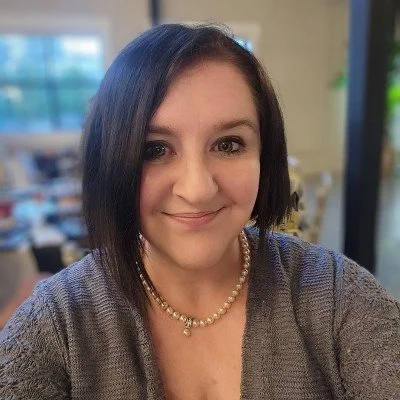
Lauren Holder
Guest
Lauren Holder, host of the Help4HD podcast and a rare disease advocate, who lives with Huntington's disease.
TRANSCRIPT
Susanna Smith
Hi everyone, this is Genetic Frontiers. A podcast about the promise, power, and perils of genetic information. Find us wherever podcasts are found. Follow Genetic Frontiers on LinkedIn and Substack to join the conversation about how genetic discoveries are propelling new, personalized medical treatments but also posing ethical dilemmas and emotional quandaries. I'm your host, Susanna Smith.
Today's episode is the final part of a three-part conversation with Lauren Holder. Lauren is a rare disease advocate who lives with Huntington's disease. She hosts the Help for HD podcast.
Now, in the first two episodes, Lauren talked about her experience learning that her grandfather owned Huntington's when she was fifteen and then finding out she is gene positive when she was twenty and how little support she was offered as a young, gene-positive person 20 years ago. So much of Lauren's experience echoes my experiences living as a provider, or a person living with known genetic risks. In my case, a 50-50 risk of developing an incurable genetic disease. Lauren and I are among the earliest generations of people to have lived a large part of our adult lives knowing our risks because genetic testing became widely available in the 2000s. We've experienced firsthand the enormous holes in the healthcare system for people living with risk. For example, it is not standard of care to refer to mental health support nor are therapists trained to understand the complexities of walking through the world knowing your genetic risks.
When you live with the risk of developing a genetic disease that has no treatment or cure, like Lauren and I do, you need holistic health support to care for your body, mind, and emotional well-being before the disease symptoms start. But our healthcare system offers none of this.
Lauren and I talked in the second episode about how we've often felt that medical professionals don't seem to understand or be empathetic to the enormous psychological weight we carry. For us learning about our risk of developing an incurable disease triggered intense feelings of unworthiness and shame, feelings it took decades to work through, which we did, largely on our own. And over the course of this conversation, Lauren stopped at one point, and she said, “I really enjoy talking to you, so I just want to say that, like, for…
I have been… okay, so I did a podcast episode with Stat News, and I've been getting calls for interviews since and it's been very overwhelming. But then, like, I come on here, and it's like, oh my god, she actually understands what I'm talking about. That's what I keep thinking. It's like, it's just nice to have somebody who gets it.” I really appreciated Lauren saying that because this is exactly why I started the Tell Me Project, a story archive and a listening project, where I host conversations with people about the meaning of genetic information in their lives. When I'm having these conversations, I find myself relaxing into the comfort and safety that Lauren describes of talking with someone who also lives with difficult genetic information, someone who actually understands my experiences. So if you have a story about living with genetic information that you'd like to share, I'd love to hear from you. You can email me at Susanna at geneticfrontiers.org.
Now, here's part 3 of my conversation with Lauren Holder.
Susanna Smith
When we talked before, you were talking about when you first met with a genetic counselor, and them really describing Huntington's as a death sentence, and maybe in some ways trying to prepare you for bad news. But that… the message was kind of like, there's no point in knowing this, but you really wanted to know. So what is the story you tell yourself that about Huntington's now. And maybe to some degree, you're talking about, like, this is how I talk to my kids, like, what meaning are you making of this in your life? Like, what space does Huntington's hold in your life?
Lauren Holder
I mean, it holds a lot of space. Right, yeah. It holds a lot of space, but one of the things that I felt
has been important is…being honest with my kids and open, with my kids from the beginning, and so I always try to do age-appropriate material. They know what HD is, they were around my dad. You know when my daughter started asking questions I told her what he had, and that he, you know, his brain was sick, and she was…2 or 3 when she started “helping” with him. And, so she is…she's just naturally a little caregiver. Even now, she tries to take care of everybody, and makes sure that everybody is okay. She's got a really good heart. And, she was also exposed to my grandfather, her great-grandfather, with Alzheimer's, so you know, she's always been around dementia, neurodegeneration, and asked questions, and has always wanted to help.
My son is the same way. He's very, curious. He's never had any you know, he's not afraid to go up to people. Like, with my grandfather, he became really, really good friends with him. And, you know, my grandfather reverted with his Alzheimer's, and so… he'd just go and play with him. Like, it just was super cute. So I've… I've never been afraid of exposing but I try to do it at… an age-appropriate level.
Susanna Smith
Yeah.
Lauren Holder
And… That's hard when it comes to… discussing me.
Susanna Smith
Yes.
Lauren Holder
Because I don't want them to feel… like…I don't want them to be scared. I don't want them to…
feel like they have to take care of me now, you know? So…That's been hard, but I've also felt it important to be honest with them, so, like, if I have a bad day, I… you know, my daughter's 7 now, and so she'll, you know, say, are you okay? And I'll say, no, honey, I'm having a bad day today, and… You know, she'll come and give me a hug, and…they… they know that I'm gonna have bad days, you know, so… But I also…want to do everything I can to make sure that they have a childhood. That, you know, they are not having to become caregivers yet. And I think that's the balance, right? It's just… It's…important to… I think it's really important to…be transparent, and to be honest. And not try to hide it because I just don't feel like that helps anybody. You know, and… and…the people that I have grown up with that have known about HD their whole lives from the time they were kids, for them, they're like, I would not trade anything in the world. For me, it was no different. This is just how life was, and…That's okay, and if you don't know any different, then there's not this dramatic You know, change.
Where, like, what I had, finding out at 15. So…I think that that has been a big driver for me too has been…like, I really tried to research and talk to my friends and find out, you know would they have rather not known, or, you know or whatever. Every, like, almost every single one of them told me no. I was just…it was just our normal life, and I'm… I'm glad that I knew, and…so, you know, whereas those that… those of us that learned later, it's like, oh my god, this is…
terrible, right? So…
Susanna Smith
And it is, it's just the reality, right? So you can't change it, so then, well, if that's the reality, maybe it's best to just name it, and be able to name it openly, because it can create the shame and the fear and the stigma and all the things if it isn't named.
Lauren Holder
Right.
Susanna Smith
But that doesn't mean it's not hard.
Lauren Holder
Yeah, for sure. I mean, there's always gonna be hard moments. But I also think, well, I mean, we… you gotta throw some type of humor in there, like…
Susanna Smith
Yeah.
Lauren Holder
We often say in the community that, like, there's several of us who have this dark sense of humor, right? Just because you gotta have humor somehow. So, like, in my family, when my mom would get mad, we would joke that she caught HD. You know, me and Dad would be like, “Oh, Mom caught it.” She's just… and she would get so mad at us. You know, and there are others in the community who are like that, too, and you just joke about those things, and… Yeah, I mean, you just gotta find ways of coping with the hard parts.
Susanna Smith
So, the other part you were talking about, it takes up a lot of space in your life. Sort of beyond even your personal life, and your kids, and your marriage, you do a ton of advocacy work in this space. You produce a podcast. So it has a lot of meaning. A lot of other meanings, I guess I would say, even outside of your personal life. So what a… what is that to you?
Lauren Holder
I never thought about the fact that I was just so involved, like, it was never just… I just started doing things because I saw a need, and I… you know, my… I have this thing of when I get angry.
I want to find solutions to issues, and so I turned that anger into a passion, and I just… I remember coming into the HG community and realizing, like, there were no resources, there was nothing. I was angry about it, and so I was like, I want to help these people, you know, and it'll help me along the way, too, but, like, I just don't understand how…How this community just doesn't have what they need. And I guess 20 years later, I'm still doing it, but it's just… it was never a second thought until somebody said to me, like, do you realize most people can't handle being in the space that much? Like, constantly, 24-7. You know, they have to take a break from it and everything, and it's not that I…don't need a break, too. But I think there… there are people who go into advocacy work, where it is a passion for them. It truly is a calling for them, and so, they are able to handle it better than most could because they know somebody has to say something. Somebody has to push somewhere in order to get stuff done. Otherwise, who's gonna do it? And a lot of the problems with neurodegeneration, especially and I think people forget… When you are… When you are taking care of somebody with a neurodegenerative disease, your time is 100% on that. Like, you can't as a caregiver, when you are going through that, truly, you can't focus on anything else except for, what do I have to get done today in my own life? You know, and that is when I took a break from… from doing all of my advocacy stuff, is when I was taking care of my dad. But when you're in it, I mean, that's it. That's… you are in survival mode, that is. It's not like anything else I have experienced in life, and it takes… a very special person to be a good caregiver in the space. Not everybody should be a caregiver for somebody with dementia or neurodegenerative diseases, because you know, they're not cut out for it, and that's okay, you know, but…But I think because of that experience, and also facing the disease myself, and knowing, you know, what I would want for myself, I just felt responsible for making sure that others who don't have a voice get to at least
share that. And it became… a passion of allowing people to have a voice. You know, and helping in whatever way, whether that's taking something to the FDA, or having them on the podcast, or whatever, you know, it's… it's just important to me that people continue to have their voice.
And I can't… even when I've tried to stop. That's how I ended up doing the podcast, because I couldn't do the other stuff, and…I found myself… miserable. It's like I… I lost my coping mechanism. That need to… to help and to… to do, was just there. I don't know why.
Susanna Smith
Yeah, in some ways, I think you named it earlier, that you found a calling. Right? And that when you try to put it down, it brings you right back. Yeah, and I wonder if some of what keeps bringing you back is something I circle around a lot, which is that there's something just very different about living as a provider and living with genetic risk.
And I've realized now, 20 years in, it's just… the state of living like this is so misunderstood that I feel the need to explain myself, but also the general state. And I just keep having this… I've had this feeling, maybe it's, like, the last 5 years, no one is coming to save you. Like there's no one else here coming to save you to fix this. So if you want this to be better understood.
you better start writing, or you better start talking, you better start doing… yeah … it… and not to say there aren't many people living in this, but it is just this general…like lack of resources, but the lack of resources are bigger than, like, maybe even also a lack of understanding of what is needed, like, what people actually need, and what it is to live your life in this state is the place I've come to. So … I think I keep returning to, well, then we need to actually talk to the people who are living it about their real experiences.
Lauren Holder
Yeah.
Susanna Smith
And tell those stories, because they're understandable, they're digestible. I don't know, I don't understand why it's so misunderstood, but I think it is.
Lauren Holder
I agree. It truly is this, well, if we're not doing it, who is?
Susanna Smith
Right.
Lauren Holder
And not seeing anybody else who is doing it in the necessary way, right? So…Well, somebody's gotta do it. Better do it myself.
Susanna Smith
Yep. Better call Lauren, she's doing it herself.
Lauren Holder
Pretty much, yeah.
Susanna Smith
So, we both have young kids, and this was one of the things that jumped out to me when we were talking earlier, just…What was the path for you to having kids?
Lauren Holder
Oh, gosh. So when I first tested positive, you know, being 20 years old, I was very much like, I am never having kids because I am not gonna do this to my children, I don't want them to have to take care of me. Very hard no, you know, to that. And was very dead set on that, especially knowing that I could not afford in vitro with PGD because it was expensive. I did not realize that I would have fertility issues on top of everything. I was very… I mean, I was…very dead set on it. And Josh and I even looked into, we looked into adoption, And…found that it was going to be difficult to adopt because of me Having that gene-positive status and also it's expensive. So then we did foster parent classes because we were looking at fostering to adopt. It went through all the classes and everything. We actually had said, you know, oh, we'll take an older child. We had a social worker who came in and said, “Well, you're gonna have to get rid of your dogs. You know, because you have pit bull mixes, and you can't have pit bull mixes when you are fostering.”
So, basically I was very disappointed, but made the decision, like, we're not getting rid of our dogs that we rescued, and we just won't… won't foster. It wasn't until we were married for 14 years that I found out that I also had endometriosis. During this time, too, we did go to a fertility specialist to talk to them about IVF with PGD and how much it would cost. You know, and that's when I found out, like, I probably had fertility issues on top of everything else. But I wasn't diagnosed until 2017 with endometriosis. And, we'd been married for 14 years. I had a procedure to remove my endo. And a couple months later, I ended up pregnant.
I actually thought she was a kidney stone, ended up in the ER. Yeah, that was great. And found out that I…that I was pregnant. And, best kidney stone ever. So with her, we did, chorionic villus sampling (CVS). And found out she's HD-free. So there's no risk to Zoe of her getting HD, which is very exciting.
But… I will say, the process for me, was very traumatizing. Worse than testing myself.
Susanna Smith
Yeah.
Lauren Holder
And when I got the results, like, all I could think was, you know, it really wouldn't have mattered one way or another what she tested. This was my baby. Like, there's no way, after having her inside me and feeling her, like, that I was going to be able to ever, ever give her up.
So it wouldn't have mattered.
I was not planning on having another one. But… things happen. As my husband says, there's… there are no coincidences in life. And I ended up, pregnant with… with Odin, when Zoe was a year old. We found out, actually, the day before her one-year-old birthday. And I made the decision then that I was not gonna go through genetic testing for Odin because of how traumatic it had been for me.
Susanna Smith
Um-hmm.
Lauren Holder
With Zoe, and the fact that it wouldn't have made a difference one way or the other as far as… you know, keeping… so…so he's not been tested, he's at risk. And, you know, that was a big, big discussion between me and my husband, and, you know, what's the right thing to do, and, you know, he said, well, what are we gonna tell him when he asks later. And I said, the truth, that… you know, that I couldn't…I could not do it. And I chose him. And that when he's 18, he can make the decision just like I did. It is up to him, and he will learn all about HD, and he will be educated, and everything else, just like we're doing with everything else in our lives. You know, and I told him, I was like, he will have a choice. But he will know that… that I chose him over this traumatic thing that was not gonna make the difference whether or not I was gonna keep him. Like, he's… there's no question.
Susanna Smith
Yeah.
Lauren Holder
So, you know, that was a very difficult discussion. And a lot of tension during that time but the right decision. And, you know… I think the hardest part was… feeling judgment from others.
Susanna Smith
Yeah.
Lauren Holder
Who can't possibly understand what it's like to be gene positive. I never expected that kind of judgment from others in the HD community, and I… and I got it. And it made me more careful in what I normally share. But I then found other gene-positive people who were… who were dealing with the same thing, you know, and what to do with their lives, and then getting this judgment from people who weren't gene positive, who couldn't understand.
Susanna Smith
Yeah.
Lauren Holder
And, you know, it changes everything when you have other people that you fight for. I don't know why that is. You know, I… for me, like, if it's just me, I'm not gonna fight nearly as hard as I would for others. But… It's the truth, so…But because of that, yeah, I am now vocal about it, vocal about what I went through, because I want to make sure that others in the community don't face that same judgment.
Susanna Smith
Yeah. And this is why I asked you, because I… and I will share some of my journey as well but I also had a really hard path, emotionally challenging path, I think to having kids.
But what is that judgment? And then also how would you describe the tension around these choices? Around the, like, the waiting for the CVS results. I did CVS too, and, like, those weeks were just pure torture.
Lauren Holder
Yeah.
Susanna Smith
So just what was hard? What is the just, like, the gritty… all of it?
Lauren Holder
So, as far as the CVS goes, I had a really good OBGYN who listened to me. And… I'm grateful for her so much. Because the genetic centers in North Carolina did not want to even…see me if I was not willing to consider terminating pregnancy if the fetus was positive. And all I could think to myself was, how is that your decision?
Susanna Smith
Right?
Lauren Holder
So, you know, everything else, like, we tout all this stuff about it's the woman's right and everything, but then you're gonna have a genetic counselor tell me that I don't have the right to choose when it comes to keeping my baby for, you know, whatever genetic condition, because they see ethical issues. Like, that doesn't… that's not… their decision to make. So… we basically told, the genetic counselor what we needed to. You know, and…so that way I could get in. Because we had one center who refused to see to see me and then the other one said I would just have to be willing to consider terminating. And… yeah, I mean, it was… it was hell. It was…
I think it's because it's another life, right? Like, you… this is… this is this life growing inside you, and…you know, in North Carolina, too, like, there's this window, it's a very short window, really, to get CVS.
Susanna Smith
Now, it’s impossible, basically.
Lauren Holder
Yeah, and and so, you know, if you have to make a decision you've got, yeah, you've got this very short window to make a decision to process all of that, and it's, like, crazy. But yeah, I mean, it was a rollercoaster of an emotion of, you know, is this fair to do this to this life inside me? Do I really want to know? Is it going to matter? You know, it's this constant…warfare with yourself, and your mind, and it was just so much worse than what I went through for myself.
It's like I could… I could accept my fate for me super easy compared to this, yeah, it was just terrible. And then, so the genetic counselor called me to tell me that Zoe was negative. And, you know, which is… that was great, obviously. Then I didn't have to think about the rest of it. And it made, you know, when they told me that it was a girl that made it real, you know, for my husband, too. You know, I think he was super scared.
Susanna Smith
Yeah.
Lauren Holder
You know, and he wasn't communicating. He had shut himself off, and so I kind of dealt with everything alone. So that was hard. It was a very hard time. And it's, you know, it's one of the reasons why, with my son, I was like, nope, I'm not…
Susanna Smith
Yeah, I identify with that a lot, because I had… so I don't know, if I've told you this, but I don't know my gene status. So I definitely went down the path of, like, what do I want to do with having kids? And I think a lot of these questions you've raised, I don't think they get appropriately discussed. Like okay, well, what does it actually cost to do IVF? And is that really what I want to spend money on? And at the time, my husband and I were both self-employed, and so it was just…it was just an out-of-reach expense, slash I really came to the conclusion of, even if I can come up with that money I would rather spend it on the kid, if I end up having a child, like, than going down this path of IVF, which doesn't guarantee you a baby.
Lauren Holder
Exactly.
Susanna Smith
So it's just you spend all this money, and you hope you get a healthy baby at the end of it, but you don't have any guarantees, right? You don't have a guarantee you have a baby at all. And so it just didn't feel like…it aligned with really how I wanted to live my life. I didn't want to do the rollercoaster of IVF. I didn't know at the time, and I don't think I have fertility issues. And it was also like, well, IVF is not a simple process, beyond even if it was free, right? So I was like yeah, I just don't want to do that. So I had come to the conclusion I would try to get pregnant naturally. But also that if I didn't, that I was gonna be okay with that. Like, if it happened, great. And if it didn't, okay, that's the universe telling me this is not in the cards for you. And, then we ended up doing CVS. My first son was negative, but the process of waiting for that was so…
torturous. It was so… just… psychologically… challenging.
Like so much so that I was like, I can never do that again. That was my conclusion. I can't. I won't. This is our child. We are having this child only. I mean, that was… it was enough to just be like, I will never, ever walk that path again. And then, my husband really wanted a second, and it became, like, this big source of tension in our marriage, of, like, I want another, and I was like, I can't do that. And then we ended up… so I… at the time, I was considering doing a PhD.
We were in UNC… in Chapel Hill, and he was doing a master's. I was reading all this research on … the return of genomic results, and, like, how that was being done when they're doing your full genome sequence because they're going to find out all this stuff you can't do anything with, so I was like, how… what are they doing with that? And in these studies, which are research trials, they were bucketing the results. So it was like, there are the category of things you can do something with, there are the category of at-risk things that…they'll tell you, but maybe you can't do anything, and then there's, like, this huge bucket of things they're not even going to tell you they found because they don't even know what it means exactly, or there's nothing you can do. So I was like, well, what if we did that? What if we bucketed the results?
Because I had a really short list of reasons I decided I was comfortable terminating, but it was, like trisomy 18, and 13. It was just, like, two things, right? I was also 40 at the time. So I was like, these are not unlikely things for me, like… so I was just like, if it's trisomy 13 or 18, or CADASIL this is what I want to do. And the hospital had a huge problem with that because then they were like, well, what if you find out later? What if it's in your medical results and someone tells you later? And basically, they told me no because they were worried I would sue them.
Lauren Holder
Oh my god.
Susanna Smith
Yes, that I would sue them if they accidentally disclosed it to me at a later date. So I ended up having to go 4 hours away to another… I found… my genetic counselor put it on a listserv, I found a genetic counselor who would do what I wanted: not put it in my electronic medical record. But just all of these examples, it's like, isn't it hard enough to just do the thing you're trying to do to live your life? Like, it's hard to be Lauren sometimes. Why is the medical system and the medical providers making it harder?
Lauren Holder
Yeah.
Susanna Smith
And that's very much how I felt, like, wow, I've come to a solution that works for me, and I have to beg a hospital ethics board to do it. And then they tell me no?
Lauren Holder
Right. Yeah. Like, it's their… it's like their decision, yeah.
Susanna Smith
Yeah, I was livid. And on top of that, I went to them ahead of time before I was pregnant. And asked… well, I wasn't really asking, I was more being, like, making sure they would do this. And then, of course, in the months it took them to review this, I got pregnant so then you're on this timeline of, like, hey, yeah, we need to make a decision… it was just so torturous.
Lauren Holder
Yeah.
Susanna Smith
And I guess what I also think…to your point, and I do want to ask you more about the judgment, because that's something I felt very strongly, not even from the CADASIL community, because I don't… it's not a very organized community. And I don't particularly participate, but from medical providers. And I was like, you just don't get this. You don't understand my drivers, you don't understand what my decisions are based on, you don't understand what my life is. And one of the fundamental things I felt like they didn't get was…I feel like there was this judgment around what it means to have a baby with this gene mutation.
And I was like, that's not at all my driver. It's not that I value someone's life less because they have this gene mutation, because if my baby has this gene mutation, I have this gene mutation. My mom had this gene mutation, her life was well worth living. But for me, it was like, at the time, my mom was pretty ill, and it was just the realization of, like my children will have to watch me die this way. And if that's happening, I want to be able to tell them they're safe.
That was my driver, and it has nothing to do with, like, disability, or life, or quality of life, or anything like that.
I was like, there's a whole huge list of things I could test for that I'm not going to, because I… I want a baby. I just… I want a healthy… hopefully healthy baby, and if it's not, I want the baby anyway, right? But, yeah, I couldn't… I just couldn't figure out a way… the words to explain that to them. It was… I don't know, and I just felt all this...
Lauren Holder
I am with you.
Susanna Smith
…judgment around what I'm allowed to test for.
Lauren Holder
Right, yeah.
So, it's so… first off, I'm really sorry you had to go through that.
Susanna Smith
Yeah, you too.
Lauren Holder
I would not wish that whole process on… on anybody. It was… yeah, there is so much judgment, which I don't understand from medical professionals. It's actually, it was a point of contention last year, at an event that I went to, and, it was the first time that they were allowing patient advocates into this meeting, where they were training medical professionals. And they… often do scenarios, you know, and they work out the scenarios. It was a really great model. What they were missing is the patient experience and the patient perspective, and really, that's what they needed to have at the table. You know, okay, great, you guys are coming up with these scenarios, but you really need to hear from a patient and get their side of how to deal with this.
And that is why they allowed the patient advocates in for the first time.
The problem is hearing some of these medical professionals and how judgmental they are, and there… I was not the only one who felt just… disgusted with our experts, because of… their opinion on things. And there were a couple of us who literally, after the event, brought it up to the people who host it, because we were like that was so absolutely judgmental. Not one of you has the right to make a decision, or to act like you know what it's like to be gene positive, and go down the family planning guide. Because you have no idea why somebody made the decision they do. Like one of them had said, “Well, if it were me, I would not have allowed that person to… to have any more kids.” And, like, that's not your choice, and you don't get to say that, because you're not the one living with it. So shut your mouth. Like, we were just so mad.
But it was a point of contention, because no medical professionals, I don't care if they… if it's their safe space or not, you're in a medical conference setting with patient advocates around, you don't… say those things.
Susanna Smith
You know, I'll say this, Lauren, though, I kind of appreciate that they did. Because it gives us insight into the mindset that's driving that. So it's like, if that's what's happening behind closed doors, I want to know because you feel it being in the patient's seat.
Lauren Holder
Yep.
Susanna Smith
And so it's like, oh, you forgot we were here? What are you actually saying? I want to know…
Lauren Holder
Oh, yeah, no, one of them thought that I was actually a medical professional, and talked to me that way, and found out later that I was patient advocate. So, yeah.
It's always interesting to hear what people have to say. You know, I know that they're having to treat people, and it's frustrating sometimes, and they're dealing with all different scenarios, but I also think they need to keep in mind that they're only getting 20 minutes…of that person, you know, and they're not actually living with that. And at the end of the day, they're going home. This is their job. They get to go home.
Susanna Smith
Right.
Lauren Holder
We go home with the actual struggle of living with this, and having to make decisions that are very difficult, that nobody… and that is one of the things I have said to people over and over, is until you have been in this seat of having to make a decision like that you don't know what you're gonna do. You have no idea.
And that is why…I will never, ever judge any woman who, if their fetus tested positive, and they choose to terminate, I understand. And I will support that person 100%, because I don't know what she is going through, what her life is, and what she needs to do for her. And it's not my place to judge, it's my place to support. And I have been so angry at people in the community for that, and this judgment when… when people are making the hardest decisions of their lives.
And, yeah, so that is one of the things that I just can't stand. There's a lot of things now that I won't tolerate, you know, and there's… we should be showing… it doesn't… you don't have to agree with somebody, or make the same decision to show support and love to them. So, you know, that is one of the things, yeah, that we've… It's a big topic right now, especially in our community.
Because we have women who are… who are going through that process, and we do have… there is an organization that specifically helps people with HD. It's called Help Cure HD. And it's this idea that, you know, if you do IVF with PGD, you can prevent HD from happening. Okay, that's great, but they only give out a few scholarships a year. And not everybody wants to do that, you know? One, you know, IVF with PGD, you're talking about… about hormones, you know? And there are a lot of women like myself who… hormones are all kinds of messed up. You're right, there’s no guarantee that you can get pregnant. I know several who were not able to. And so you're gonna put yourself into debt, you know, for nothing on the other end of it? It doesn't make sense to judge somebody if they can't or won't do that. That's their choice.
But, yeah, that was… that's been one of the hardest things I've ever had to deal with.
Susanna Smith
Yes, same, absolutely. And I feel like it's… it's why I like to ask, what was your path, right? Because I think, for me, it's like it's hard… it's a hard path to walk to live as a previvor. It's a hard path to live with difficult genetic information, period. And then… whatever choices you make around having family or not having family, or whatever your family looks like, those are just hard choices. They're just charged, you know? And so, to me, it's like, there is no right answer. It's a hard path with no right, easy answers. Everything has probably ups and downsides. I think it's important to just be like, what was the right answer for you? It's not the right answer for me, it's not the right answer for this other person. It's just about you deciding what's best for you, and there are right answers for each person.
And that… that's the part that really surprised me when I went into the healthcare system.
Because I went into the healthcare system and was very much met with: you're not making the right choice… they never said the word “right,” right? But… the implications and the way I was treated was I wasn't making the choices that made sense for them. I wasn't making the choices I was allowed to make. And man, I just wanted to throw up the middle finger, if I'm being really honest. How dare you? And who do you think you are to tell me how to live? I don't tell you how to live. I don't care if you're a medical professional, but…
Lauren Holder
Yeah, very close-minded.
Susanna Smith
Yeah. That was shocking.
Lauren Holder
That was definitely my experience, too.
Susanna Smith
And that's the final episode of the three-part conversation, Lauren Holder.
Today's episode of Genetic Frontiers was brought to you by The Tell Me Project, a story archive and a listening project where I host conversations about the meaning of genetic information in people's lives. If you'd like to share a story, please email me at susanna at geneticfrontiers.org.
Thank you for listening to this episode of Genetic Frontiers. Follow us on LinkedIn or Substack, or check out our website, geneticfrontiers.org, to learn more about how we support people to live well with genetic risk through health coaching, education, and advocacy.